
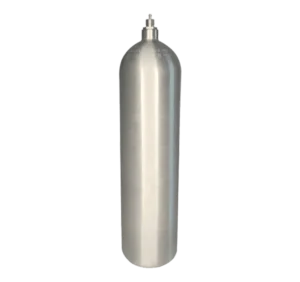
We offer a variety of cream charger tank specifications:
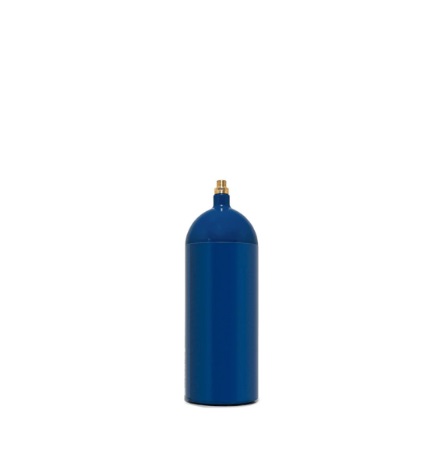
0.4L (330g) Aluminum Cylinders

0.95L (640g) Aluminum Cylinders
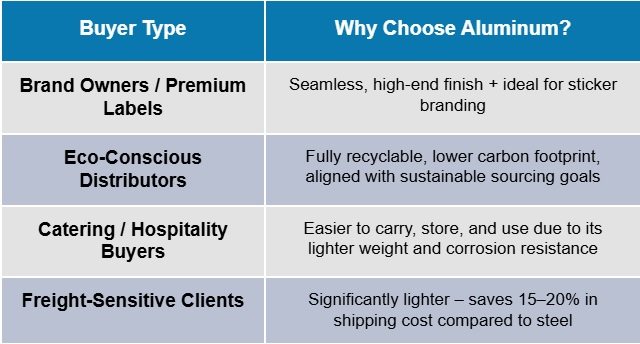
💬 Still unsure which suits your business best? Our team will help you decide—just share your market, budget, and packaging needs.





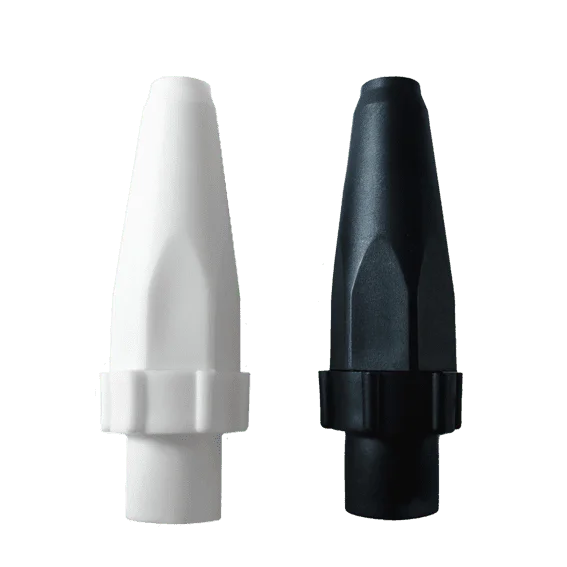
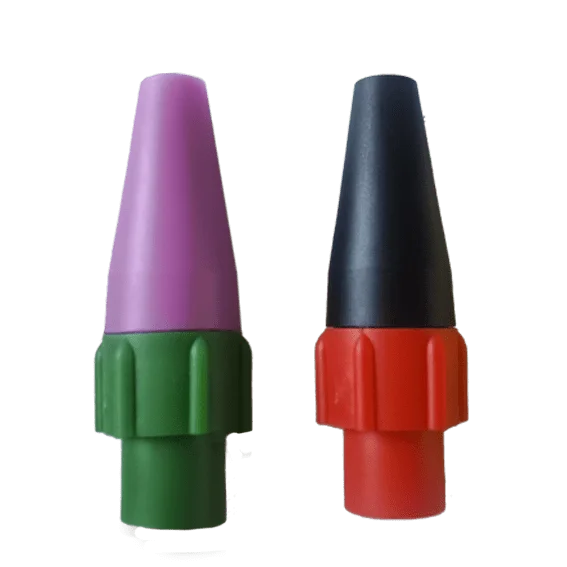

|
Specifications
|
High
|
Diameter
|
Wall Thickness
|
Empty Cylinder Weight
|
Testing Pressure
|
Material
|
|
0.4L (330g)
|
185 mm
|
75 mm
|
2.9 ± 0.3 mm
|
480 g
|
120 bar
|
Aluminium
|
|
0.95L (640g)
|
295 mm
|
75 mm
|
2.9 ± 0.3 mm
|
670 g
|
120 bar
|
Aluminium
|






While aluminum cylinders offer numerous advantages, they do come with some drawbacks:
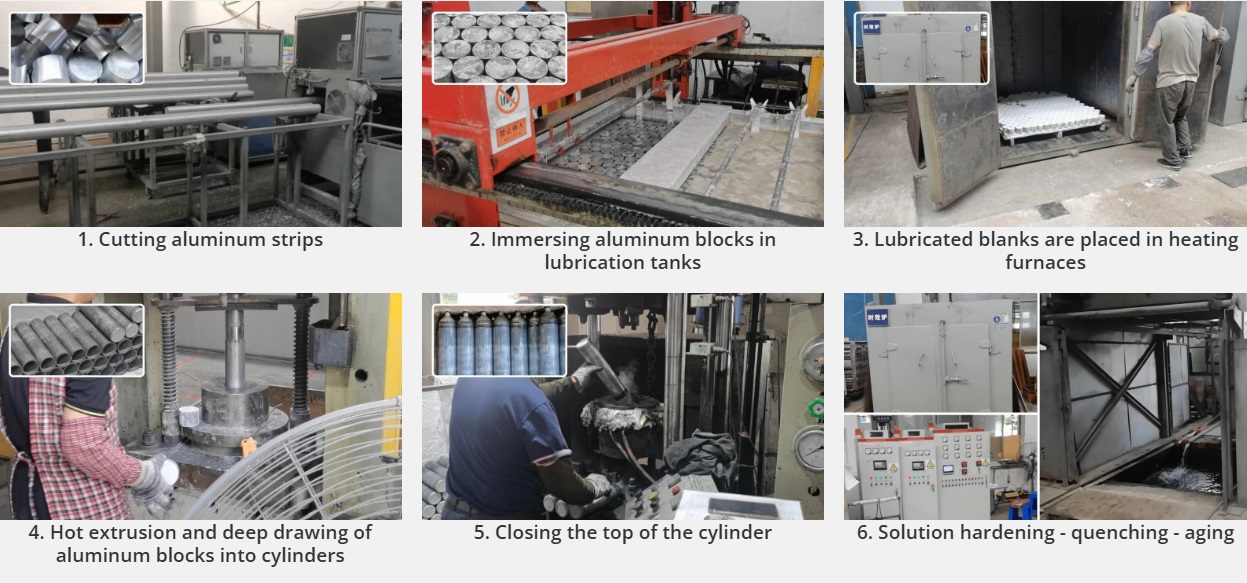
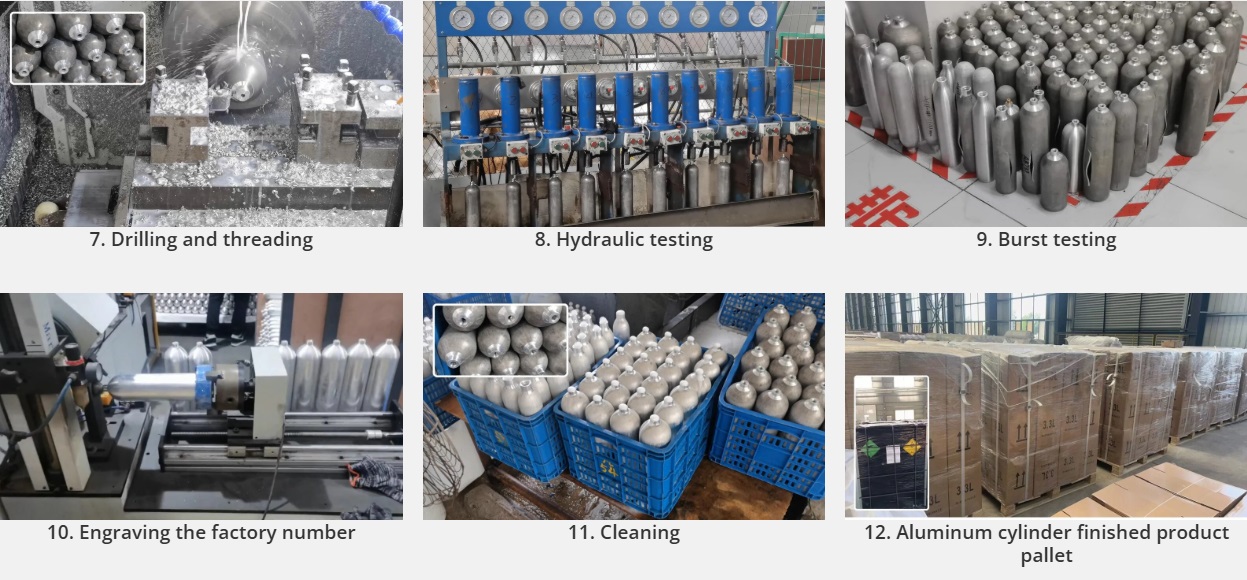
- Higher Cost: Aluminum cylinders are more expensive to produce than steel cylinders. The cost of raw aluminum is higher, and the extrusion-type one-piece molding process is more complex and resource-intensive. Additionally, the use of thermoplastic film stickers adds to the overall production cost. As a result, aluminum cylinders typically come with a higher price tag, which may not be ideal for businesses that prioritize cost-efficiency over premium features.
Conclusion
Aluminum cylinders stand out in terms of appearance, practicality, and environmental sustainability. Their sleek, seamless design, lightweight nature, and rust-free construction make them a superior choice for users who value high-quality products. Although the cost is higher than steel cylinders, aluminum’s long-term durability, recyclability, and premium aesthetic make it the ideal option for businesses seeking to elevate their product offerings and cater to discerning customers.